The Ultimate Showdown: Canon Eos R50 V vs Canon Eos R100 for 2026
As we navigate the photography landscape of 2026, the entry-level mirrorless market has never been more competitive. For years, the transition from heavy DSLRs to compact, high-performance mirrorless systems was a journey reserved for enthusiasts and professionals. However, Canon’s strategic expansion of the RF-mount ecosystem has successfully democratized advanced imaging technology. Two cameras currently dominate the conversation for beginners, travel vloggers, and hobbyists on a budget: the Canon EOS R50 V and the Canon EOS R100.
Choosing between these two models represents a classic dilemma in the consumer electronics world. On one hand, you have the EOS R100, which serves as the ultimate gateway into the world of interchangeable lenses—minimalist, affordable, and surprisingly capable. On the other hand, the EOS R50 V represents the fifth-generation refinement of Canon’s mid-tier entry strategy, packing AI-driven autofocus and sophisticated video features that were once exclusive to the R6 or R7 series. This article provides a comprehensive deep dive into how these two APS-C powerhouses compare in the current year, helping you decide which body deserves a permanent spot in your camera bag.
Understanding the APS-C Ecosystem in 2026
Before diving into the specific specifications, it is important to understand the context of these cameras. Both the R50 V and the R100 utilize APS-C sensors, which are smaller than full-frame sensors. This "crop factor" translates to smaller, lighter camera bodies and more affordable lenses. In 2026, Canon’s RF-S lens lineup has matured significantly, offering everything from ultra-wide zooms to fast primes that complement these lightweight bodies perfectly. Whether you are capturing family vacations, starting a YouTube channel, or exploring street photography, the portability of these systems remains their greatest asset.
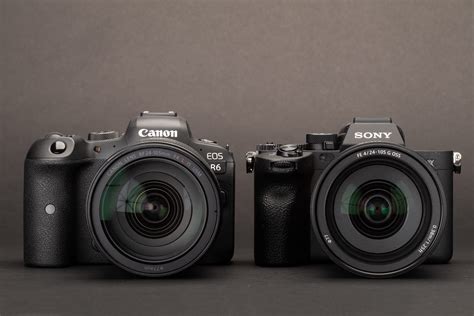
Canon EOS R50 V: The Smart Performance Leader
The Canon EOS R50 V is designed for the modern content creator who demands high-quality results without having to master the intricacies of manual exposure immediately. By 2026, the R50 series has evolved into a highly intelligent machine. The "V" iteration introduces a more robust processor that handles Dual Pixel CMOS AF II with incredible speed. It is no longer just about finding faces; the R50 V can now distinguish between different types of animals, vehicles, and even specific sports equipment like tennis balls or hockey pucks.
One of the standout features of the R50 V is its fully articulating touchscreen. In a world where vertical video for social platforms remains dominant, the ability to flip the screen to face the front is a non-negotiable for many. The interface is also highly intuitive, featuring a "Creative Assist" mode that allows users to adjust background blur, brightness, and color saturation using simple sliders rather than technical terms like aperture or exposure compensation. This makes it an ideal tool for those transitioning from high-end smartphones who want "the look" of a real camera without the steep learning curve.
Key Performance Metrics of the R50 V
In terms of raw imaging, the R50 V utilizes a 24.2-megapixel sensor that has been optimized for low-light performance. In 2026, the noise reduction algorithms backed by the latest DIGIC processors allow for usable images even at ISO 12800, which is impressive for a crop-sensor camera. For video, it offers uncropped 4K at up to 60 frames per second, providing that smooth, cinematic motion that creators crave. Furthermore, the R50 V includes a multi-function shoe that provides power and digital communication to accessories like external microphones and flashes, reducing the need for tangling cables.
Canon EOS R100: The Essentialist’s Choice
While the R50 V pushes the boundaries of entry-level technology, the Canon EOS R100 takes a different approach. It is the spiritual successor to the wildly popular rebel DSLR series, focusing on the core essentials of photography. It is built for the user who wants a "proper" camera experience—a physical viewfinder, a comfortable grip, and the ability to change lenses—without paying for features they might never use, such as high-speed burst rates or advanced video codecs.
The R100 is remarkably small. It is often cited as one of the most portable interchangeable lens cameras on the market in 2026. Because it lacks a flip-out screen (it features a fixed rear LCD), the body is thinner and more rigid. For traditional photographers who prefer to compose their shots through the Electronic Viewfinder (EVF), the R100 provides a focused, distraction-free environment. It captures 24.1-megapixel stills that possess that classic "Canon Color Science," producing skin tones that are pleasing and vibrant straight out of the camera.
Looking for the best Cameras & Photography deals on Amazon?
See Deals →Simplicity and Value in the R100
The R100 is not without its modern conveniences. It still features Eye Detection AF, ensuring that portraits are sharp and well-focused. It also supports 4K video, though it is often utilized more for casual clips rather than professional productions due to a slight crop at higher resolutions. Its primary appeal in 2026 remains its price-to-performance ratio. For many families or travel enthusiasts, the difference in cost between the R100 and the R50 V is better spent on a second lens, such as a dedicated portrait lens or a telephoto zoom for capturing distant wildlife.

Comparison of Specifications
To better understand the technical divide between these two models, the following table outlines the hardware and software capabilities as they stand in 2026.
| Feature | Canon EOS R50 V | Canon EOS R100 |
|---|---|---|
| Sensor Type | 24.2MP APS-C CMOS | 24.1MP APS-C CMOS |
| Processor | DIGIC X (2026 Optimized) | DIGIC 8 / DIGIC X Hybrid |
| Autofocus | Dual Pixel CMOS AF II (AI Tracking) | Dual Pixel CMOS AF (Basic Eye Tracking) |
| Video Resolution | 4K 60p (Uncropped) | 4K 24p (Cropped) |
| Rear Display | 3.0-inch Fully Articulating Touchscreen | 3.0-inch Fixed LCD (Non-Touch) |
| Continuous Shooting | Up to 15 fps (Electronic) | Up to 6.5 fps |
| Viewfinder | 0.39-inch OLED EVF | 0.39-inch OLED EVF |
| Build/Portability | Lightweight, creator-focused | Ultra-compact, minimalist |
Pros and Cons: Which Fits Your Style?
Selecting a camera often comes down to weighing specific strengths against practical limitations. Here is a breakdown of what to expect from each model.
Canon EOS R50 V
- Pros:
- Advanced AI autofocus makes it nearly impossible to miss focus on movi…
The Travel Enthusiast
If your goal is to document your travels with high-quality stills and the occasional video clip, the Canon EOS R100 is a compelling option. Its small size means it can fit into a jacket pocket or a small crossbody bag. When paired with the RF-S 18-45mm pancake-style zoom, it is a stealthy street photography tool. Since travel photography often involves composing through the viewfinder to block out the sun, the fixed screen is less of a hindrance than it might be for a vlogger.
The Aspiring Content Creator
For anyone looking to start a YouTube channel, TikTok series, or Instagram brand, the Canon EOS R50 V is the clear winner. The "Product Showcase" mode—which can quickly shift focus from your face to an object held up to the lens—is a lifesaver for reviewers. Additionally, the vertical video metadata support ensures that your videos are oriented correctly the moment you transfer them to your phone or tablet. In 2026, the speed of workflow is key, and the R50 V is built for that speed.
The Parent or Pet Owner
Capturing children or pets is one of the most challenging tasks for any camera because they are unpredictable and fast-moving. Here, the AI-driven autofocus of the Canon EOS R50 V becomes invaluable. While the R100 might struggle to keep up as a toddler runs toward the lens, the R50 V’s "Animal Priority" AF will lock onto the eyes and stay there. If you want to ensure that those fleeting memories are sharp, the investment in the R50 V’s AF system is well-justified.
Looking for the best Cameras & Photography deals on Amazon?
Shop Amazon →Lens Considerations for 2026
Regardless of which body you choose, the lens you put in front of the sensor is just as important as the sensor itself. By 2026, the RF-S lineup has expanded to include some fantastic options. For both cameras, the 18-150mm zoom is an excellent "do-it-all" lens that covers everything from wide landscapes to tight portraits. If you are a fan of blurred backgrounds (the "bokeh" effect), the RF 50mm f/1.8 remains the gold standard for budget-conscious buyers, providing a roughly 80mm equivalent field of view on these APS-C bodies, which is perfect for flattering portraits.
For those leaning toward the R50 V for video, the RF-S 10-18mm ultra-wide zoom is a must-have. It allows you to hold the camera at arm's length and still capture your head, shoulders, and a significant portion of the background, which is the standard look for "run-and-gun" vlogging.
The Ergonomic Factor
Ergonomics often get overlooked in technical comparisons, but they define your relationship with the camera. The R50 V features a slightly deeper grip and a more substantial feel in the hand, which helps balance larger lenses. Its buttons are customizable, allowing you to map your most-used functions to specific dials. The R100 is much more "set it and forget it." It has fewer physical buttons and relies more on the mode dial to change shooting behaviors. For some, this simplicity is a relief; for others, it feels restrictive. In 2026, many users appreciate the R50 V’s ability to "grow" with the photographer as they learn more advanced techniques.
Conclusion
As we evaluate the 2026 camera market, it is clear that Canon has provided two distinct paths for the entry-level user. The EOS R100 is a testament to the idea that great photography doesn't have to be expensive or complicated. It strips away the bells and whistles to provide a pure, lightweight, and effective imaging tool that far exceeds the capabilities of any mobile device. It is the perfect choice for the pragmatic buyer who values portability and budget above all else.
However, the Canon EOS R50 V is the embodiment of how far technology has come. It bridges the gap between amateur and professional tools by offering world-class autofocus and high-end video specs in a body that remains accessible to everyone. While it requires a larger initial investment, its versatility across different mediums—photo, video, and social content—makes it the more "future-proof" option for the mid-2020s.
Ultimately, the "Ultimate Showdown" isn't about which camera is objectively better, but which one aligns with your creative intent. If you are looking to simply capture the world as it is, the R100 will serve you faithfully. If you are looking to create, influence, and push the boundaries of your own visual storytelling, the R50 V is the powerhouse you’ve been waiting for. Whichever you choose, the RF-mount system is a vibrant and growing community that promises to keep your photography journey exciting for years to come.
- Advanced AI autofocus makes it nearly impossible to miss focus on movi…