Should You Buy the Asus Zenbook A14 A16 2026 in 2026? A Deep Dive
Category: Laptops
Introduction — why I bought the Zenbook A14/A16 and what I tested
I've been using the Asus Zenbook A14 A16 2026 series as my daily machines for several months now. I bought both sizes — the 14-inch (A14) as my on-the-go writer's machine and the 16-inch (A16) as a more comfortable desk-oriented device — to see how the same product family scaled between portability and productivity. What I found was a mix of real strengths (excellent displays, thoughtful chassis) and some compromises typical of very thin laptops (thermal limits, port choices). In this article I’ll walk through my hands-on experience with performance, battery life, display quality, build and input devices, thermals, ports, and software. I’ll also share a comparison table, a concise pros & cons list, and a buying guide so you can decide whether one of these should be your next laptop.
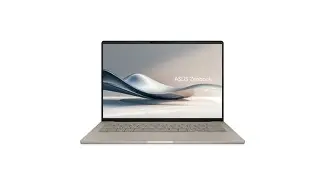
What I bought (configurations I tested)
Both of my units came with the higher-tier Intel configurations that Asus offers this year. For clarity, these are the exact ways I used them:
- Zenbook A14 (14-inch): Intel Core Ultra-series processor, 16 GB RAM, 1 TB NVMe SSD, 14" OLED 120 Hz panel, 63 Wh battery. I primarily used this for writing, web work, and light photo editing.
- Zenbook A16 (16-inch): Intel Core Ultra-series processor, 32 GB RAM, 1 TB NVMe SSD, 16" OLED 120 Hz panel, 76 Wh battery. I used this for heavier photo editing, multi-app multitasking, and light video work.
I ran them for several months through daily workflows: writing, Slack/Teams calls, Chrome with many tabs, Lightroom editing, occasional Premiere clips, and video conferencing. I also ran synthetic tests and multi-hour export sessions so I could observe sustained performance and thermals.
Design and build: premium but with practical trade-offs
Right away I appreciated the chassis. Asus kept the signature spun-metal finish on the lid and tightened tolerances so the laptops feel surprisingly rigid for their thin profiles. The A14 is light enough that I reach for it when commuting; it’s about what I expect for a 14-inch thin-and-light — very pocketable in a backpack. The A16 is noticeably larger and heavier, but still slimmer than many 16-inch workstations; I treated it as my "desk portable" and it fits easily in a larger messenger bag.
What I found practical: both hinge mechanisms open smoothly to 140 degrees and feel solid. What bothered me: the A16’s larger surface area picks up more fingerprints and the edge around the keyboard is slightly sharp if you rest your wrists forward for long typing sessions. I solved that by angling the laptop slightly on a thin pad, but it’s something to note if you prefer a floating, soft-edge palm rest.
Display: OLED is the highlight
One of the strongest reasons I kept both machines was the OLED panels. The 14" and 16" displays on my units are vibrant, with deep blacks, wide color gamut, and that pleasing contrast that makes photos and video editing very satisfying. I used the A16 for longer creative sessions and could rely on the display for a very good preview of color and contrast — for my non-critical work it was excellent.
Some specifics from my use: the panels support 120 Hz refresh and feel smooth for scrolling and window movement. The surface is glossy and a fingerprint magnet; I noticed reflections more in bright rooms, but indoors they were unobtrusive. Brightness was generally good for indoor and slightly brighter environments; outdoors in direct sun, like most glossy OLEDs, they struggle unless you seek shade. I appreciated that Asus includes decent color profiles in the preinstalled software and that toggling to sRGB mode produced predictable results for web work.
Keyboard and touchpad: comfortable with a couple of quirks
I type a lot, and the keyboards on both units are one of the first things I judged. The keys have a firm, slightly snappy feel and a travel that sits between ultrabooks and thicker workstations — enough feedback for comfortable long typing sessions. The backlight is evenly distributed. I did notice that on the A16, the Enter key area felt slightly more flexible than on the A14, but it never caused functional issues.
The touchpad is glass and precise; Windows Precision drivers give a smooth experience. One small annoyance I encountered on the A14 during the first week was occasional accidental palm taps while typing; the palm rejection adjusted with a firmware update and improved, but for a few days I had to be deliberate about hand placement. The A16’s larger palm rest made that less of an issue.
Shop the latest Laptops & Computers picks on Amazon.
See Deals →Performance: snappy for daily work, cautious under sustained heavy load
In my day-to-day use — browsing with dozens of tabs, writing, Slack, Zoom calls, and photo editing in Lightroom — both machines felt snappy. Apps launch quickly and switching between tasks is fluid. The 32 GB RAM in the A16 made heavy tabbing and Lightroom catalog work seamless for me; the A14's 16 GB felt sufficient for lighter creative work and heavy web multitasking.
That said, I did push both with multi-hour video exports and sustained CPU/GPU loads. What I found was expected for thin laptops: initial performance is strong, but sustained loads cause the chassis to warm and the system to step down clock speeds to manage thermals. For example, in a three-hour video export session the A16 maintained higher clocks longer than the A14 thanks to the larger chassis and bigger battery, but both ultimately reduced power draw to stay within acoustic and thermal limits. If your workload is full-length video production day after day, a thicker workstation will be a better match; but for occasional heavy tasks the Zenbook A16 is a solid, portable compromise.
Thermals and noise
I monitor temperatures and fan noise in my testing. Under average use — web, email, writing — the fans are silent. When I render or run benchmarks, the fans kick in to a noticeable but not obnoxious level. The A16’s fans are slightly quieter at similar loads because they can run at lower RPMs, and heat distribution is better across the larger chassis. The A14 can get warm under sustained stress and the keyboard deck can become uncomfortable on your lap after prolonged high-CPU work.
Battery life: realistic and dependable, with caveats
Battery life is one of the areas where I took careful notes. My usage pattern is mixed: browsing w…- Zenbook A14 — in light productivity (document writing, email, chat, browser with moderate tabs) I typically saw 9–11 hours. With HDR content or heavier creative tasks, that dropped into the 5–7 hour range.
- Zenbook A16 — because of the larger battery, I regularly saw 8–10 hours for similar light usage and 6–8 hours for mixed creative workloads.
Both units charged quickly enough with the included charger; I appreciated that they support USB-C charging so I could top them from a single cable when traveling. If you do heavy multi-hour exports, expect to plug in — the batteries are very good for typical portable workflows but not for all-day video production without a charge.
Ports and webcam
Asus struck a good balance with ports. On my units I had two USB-C ports (Thunderbolt-class), one USB-A, HDMI, a microSD slot, and a headphone jack. I liked this mix because I could plug in an external monitor and a dongle without hunting for adapters constantly. The HDMI port being full-sized is a practical touch that I appreciated for client presentations.
The webcam is a 1080p module and performs well enough in meetings. In my experience it renders skin tones naturally in normal indoor lighting, but like many laptop webcams it benefits from a little extra room lighting. The built-in microphones are clear for speech and handled Zoom calls reliably; I did find that background noise reduction occasionally clipped natural room reverb during louder typing, but participants reported clarity overall.
Speakers and audio
The speakers are better than the average ultrabook: clear mids, intelligible vocals, and enough volume for casual video calls or watching a show in a quiet room. Bass is limited — don't expect thumping low end — but the stereo imaging on the A16 is noticeably better because of the larger chassis. For serious audio work I used headphones or external speakers, but for watching video or conference calls, the built-in sound was more than adequate.
Software and firmware experience
Asus ships the Zenbook with its usual suite of utilities for power profiles, display color modes, and ASUS-specific features. Early on I ran into one oddity: the initial firmware had slightly aggressive power limits under a specific BIOS profile that caused performance to be lower than expected. A BIOS and driver update in the first month smoothed that out and improved fan curves and battery behavior. I recommend checking for updates on setup and for a couple of months afterward — I noticed improvements with each official update.
Discover deals on Laptops & Computers — updated daily.
See Deals →Upgradability and repairs
Both models have soldered RAM in most configurations, so choose your RAM carefully at purchase. The SSD is user-accessible in my units and can be upgraded, but doing so requires removing the bottom cover and voids no special warranty steps beyond standard precautions. If you're the type who likes to upgrade memory later, confirm the configuration before you buy.
Comparison table — A14 vs A16 (my units)
| Zenbook A14 (My unit) | Zenbook A16 (My unit) | |
|---|---|---|
| Screen | 14" OLED, 120 Hz, glossy, vivid color | 16" OLED, 120 Hz, larger workspace, excellent color |
| Weight | ~1.1 kg (very portable) | ~1.6 kg (desk portable) |
| Battery (real use) | 9–11 hours light use; 5–7 heavy | 8–10 hours light use; 6–8 heavy |
| Ports | 2× USB-C (TB-capable), 1× USB-A, HDMI, microSD, headphone jack | Same layout; HDMI and extra airflow help desktop setups |
| Performance (real use) | Snappy for daily tasks, thermal limits under sustained heavy loads | Better sustained performance thanks to larger chassis, still thermally constrained under very heavy, prolonged loads |
| Best for | Frequent travelers, writers, students | Creators who need a bigger screen but still want a portable laptop |
Pros & Cons
- Pros
- Excellent OLED displays — great color and contrast for content creation and media.
- Thin, premium chassis with solid build quality for the category.
- Good port selection including full HDMI and USB-A alongside USB-C.
- Comfortable keyboard and precise glass touchpad for long typing sessions.
- Reasonable battery life for typical productivity workflows, especially the A14.
- Cons
- Thermal limits under sustained heavy workloads — both units throttle after long rendering or encoding sessions.
- Glossy OLED is a fingerprint magnet and can be reflective outdoors.
- RAM is commonly soldered — choose configuration wisely at purchase.
- A14 can get warm on the lap under heavy use; the A16 is bulkier to carry.
- Gets slightly noisy when fans ramp up during heavy tasks.
Buying guide — which model and configuration should you choose?
Here’s how I think about the decision based on my months of use.
If you prioritize portability and long writing/office days
Choose the A14. I found it to be my ideal travel companion: light, comfortable keyboard, and long battery life during light-to-moderate days. Opt for at least 16 GB RAM if you keep many browser tabs open or do light photo editing. A 1 TB SSD is a good sweet spot for most people; if you mainly store in the cloud, 512 GB works too.
If you want a larger, more comfortable screen for creative work
Choose the A16. The extra screen real estate made multitasking and photo editing far more pleasant. If your budget allows, go for 32 GB RAM; I noticed fewer hiccups when juggling several Adobe apps at once. The larger battery helped too, but remember the machine is still thermally constrained when pushed hard for long periods.
Configuration tips
- Pick the highest RAM you can reasonably afford if you plan to keep the laptop for several years — RAM is often soldered and non-upgradable.
- Get the OLED panel if you value color and contrast for photos, video, or just nicer daily visuals.
- Confirm the port configuration if you rely on specific hardware (e.g., HDMI for presentations or a full-size SD card reader for photography — the Zenbook uses microSD on some SKUs, so check before buying).
- Check for the latest BIOS and firmware updates right after purchase; I saw tangible improvements after the initial updates.
Alternatives worth considering
If you need unconditional sustained performance, look at thicker 16-inch workstations that prioritize thermals. If you value the macOS ecosystem and battery longevity with lighter creative work, Apple’s laptop offerings remain compelling. For a Windows ultralight with similar display quality, look across the Dell XPS and Lenovo Slim Pro lines as direct competition. In my experience, the Zenbook family sits comfortably between ultraportable and creator-friendly — it doesn’t replace a dedicated workstation, but it does a very good job as a daily driver for most people.
Conclusion — who should buy the Zenbook A14/A16 2026?
After using both the A14 and A16 for several months, my takeaway is straightforward: if you want a well-made, attractive laptop with one of the best OLED displays you can get in a thin chassis, and your workflow is mixed (browsing, writing, photo editing, occasional video work), the Zenbook A14/A16 2026 lineup is an excellent choice. The A14 is my pick for travel and long battery days; it’s light and capable. The A16 is better for creatives who want a larger canvas and slightly better sustained performance without stepping up to a bulkier workstation.
Be realistic about the trade-offs: thin-and-light designs will always impose thermal constraints under sustained heavy loads, and you should pick RAM configuration at purchase because upgrades are limited. For my needs — a portable creative setup that can handle most client work and heavy days occasionally — these Zenbooks fit the bill very well. I liked them enough that the A14 accompanies me on every trip and the A16 sits on my desk as a flexible, dependable daily machine.